Main Street Jazz: What the Festival Boom Gains — and What It Might Lose
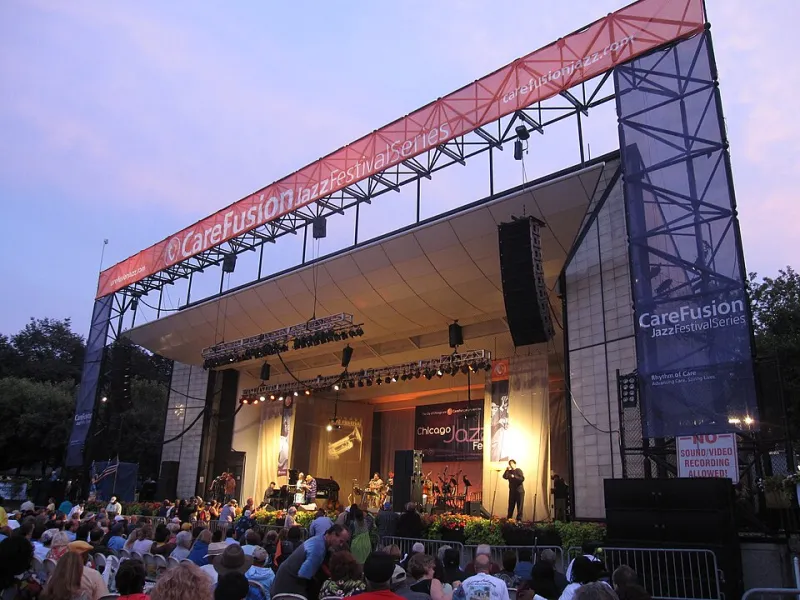
Photo: edward stojakovic from Portland, OR, United States, CC BY 2.0, via Wikimedia Commons
Count them sometime. Jazz and blues festivals have sprouted in mid-sized American cities like dandelions after rain — and honestly, that's mostly good news. Working musicians need stages. Cities need reasons to fill downtown hotels in June. But after a decade of watching the boom from the press pit, it's fair to ask: is this saving the music, or shrink-wrapping it?
The Case For: A Lifeline With a Lanyard
Let's start with the obvious. Festival gigs pay, and they pay better than most club dates. For a sideman grinding out four-set nights for door money, a festival slot can cover a month of rent. Bookers I've talked to estimate festivals now account for a meaningful share of annual income for touring jazz artists.
There's also exposure. A saxophonist who plays to forty people on a Tuesday in a club might play to four thousand at a Saturday afternoon festival — people who then stream her record, catch her club gig next time through, and bring their kids. That's how audiences get built. It's also how cities like Monterey, Newport, and now dozens of smaller towns have kept their names on the jazz map.
The Case Against: Jazz at Noon Is a Different Animal
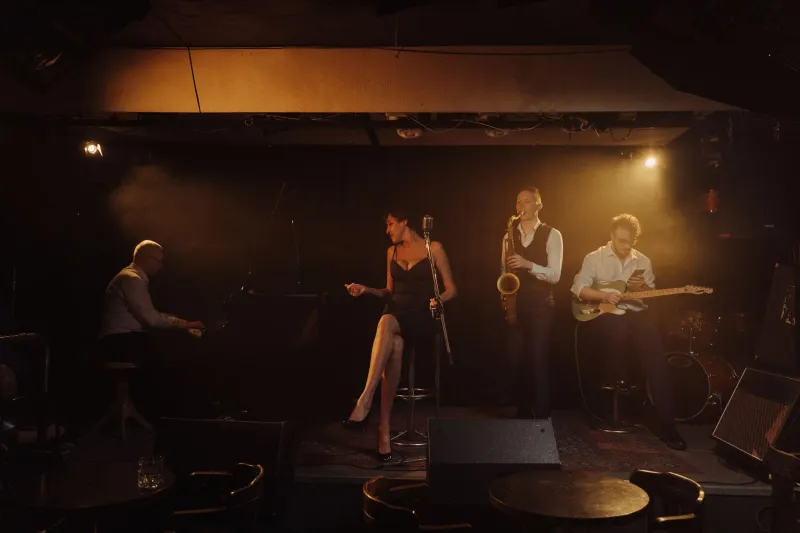
Now the uncomfortable part. Jazz was born at night — in rooms with bad ventilation and good whiskey, where a set could stretch to twenty minutes because nobody wanted it to end. A festival set is 45 minutes, soundchecked at 10 a.m., sandwiched between a food truck and a kids' activity tent.
None of that is the festival's fault, exactly. But when the daytime, family-friendly format becomes the dominant way Americans encounter this music, we risk teaching a generation that jazz is pleasant background music. It isn't. It's a contact sport. And some things — the risk, the interplay, the danger — simply don't survive the transition to a lawn with folding chairs.
There's also the lineup question. Too many festivals pad their bills with heritage acts and big-name tribute shows while the young players actually innovating in the idiom get the 11 a.m. slot by the porta-potties.
What a Music-First Festival Would Look Like
If the music came first, here's what I'd want on the poster:
- Late-night sessions built into the schedule, not tacked on — real after-hours jams with cheap covers and no hard stop.
- Headline slots for rising artists, not just legends and tributes.
- Pay that reflects the headline status, across the board.
- Room for failure. Book the experimental acts. Some sets will fall flat. That's the price of art that's alive.
The Verdict
The festival boom isn't the enemy. Watering the music down isn't inevitable — it's a choice bookers make one lineup at a time. The festivals that treat jazz as a living conversation, not a heritage brand, will be the ones still standing in twenty years. And the musicians? They'll take the gig either way. They always have. The question is whether we, the audience, show up for the music or just the afternoon.