Where the Real Lessons Happen: Inside America's After-Hours Jazz Rituals
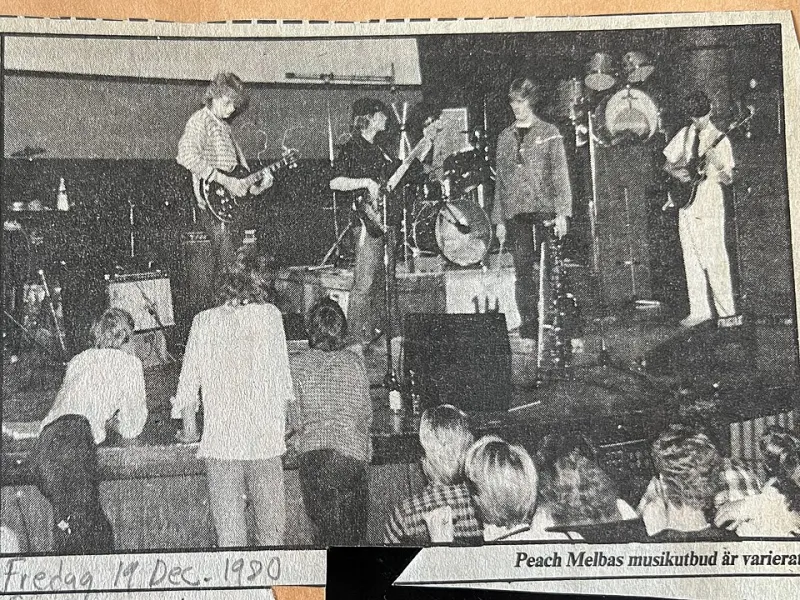
Photo: Someone Extra, CC BY-SA 4.0, via Wikimedia Commons
The gig ends at 1:45. The music doesn't.
If you've never trailed a working jazz musician after the last note, you don't really know how this music survives. The club is the day job. The after-hours is the graduate school.
The Unwritten Rule of the Last Set
Ask any road player and they'll tell you: the final set of the night is the one that matters. The tourists have stumbled back to their hotels. The bartender is counting drawers. That's when the tunes get dangerous.
"That last set, nobody's performing," says Marcus, a drummer who's held down Frenchmen Street gigs in New Orleans for over a decade. "We're just talking to each other in a language the audience stopped listening for around 11 o'clock. That's when somebody calls a chart in a weird key just to see who flinches."
There are rules to this world, though nobody ever wrote them down. You don't call tunes you can't finish. You don't solo over the elder statesman of the band unless he invites you. And when somebody twice your age nods at you to take the bridge, you take it — and you'd better bring something honest.
Diner Booths and Bottomless Coffee
Every jazz town has its after-spot. In New Orleans, it might be a dive with a backline amp and a horn player who never seems to go home. In Chicago, it's the 24-hour diner on the Near North Side where the horn section of every closing club ends up in the same vinyl booth, trading stories about bad bookers and worse landlords.
"The diner is where the history gets transferred," says Dee, a bassist who works the South Side circuit. "Some cat who played with [Gene] Ammons tells you why a certain progression works, and it's not in any textbook. You can't Google that."
In Kansas City, the ghosts are louder. This was the town of after-hours sessions that ran till sunrise — the 18th and Vine scene where jam sessions famously had no clock. Modern players there say the spirit lingers in loft sessions and post-gig hangs that operate on pure word of mouth. If you know, you know. If you don't, keep coming to shows and be easy to be around. The invitation always finds the right people.
Why 2 A.M. Matters
Here's the thing about music made when nobody's watching: it's the only music with zero commercial pressure. No cover charge to justify. No set list to honor. No video somebody's phone is recording.
That freedom is where the tradition gets passed. A young pianist learns comping instincts by playing behind a singer twice her age at a session nobody advertised. A drummer picks up brushwork from a guy who learned it from a guy who learned it in a traveling band in 1958. The chain stays connected not in conservatories but in basement sessions over lukewarm beer.
"School teaches you the vocabulary," Marcus says. "The after-hours teaches you how to have a conversation."
The Cost of the Lifestyle
It's worth saying plainly: this culture runs on sacrifice. Late nights, split pay, rent due. The players who keep after-hours culture alive are often barely scraping by, and as affordable neighborhoods vanish in every major city, the cheap rent that made the jam session possible is disappearing too.
That's why showing up matters. Buy the 2 a.m. ticket when a spot opens its doors. Tip the band on the way out. Sit in only if you're invited. The after-hours world doesn't need saving so much as it needs witnesses — and the occasional bass player who knows the changes.
The next time you catch a great set, don't leave when the house lights come up too fast. Somewhere across town, the real class is about to begin.