Their Story, Their Mic: How Jazz and Blues Artists Are Taking Over the Podcast Airwaves
There's a running joke in jazz circles that the music press discovers a legend about fifteen years too late. By the time the feature runs, half the story's already been lost — buried in a club that closed, a label that folded, or a memory that faded. Blues artists know that rhythm too. The narrative, when it finally gets written, often belongs to someone who wasn't in the room.
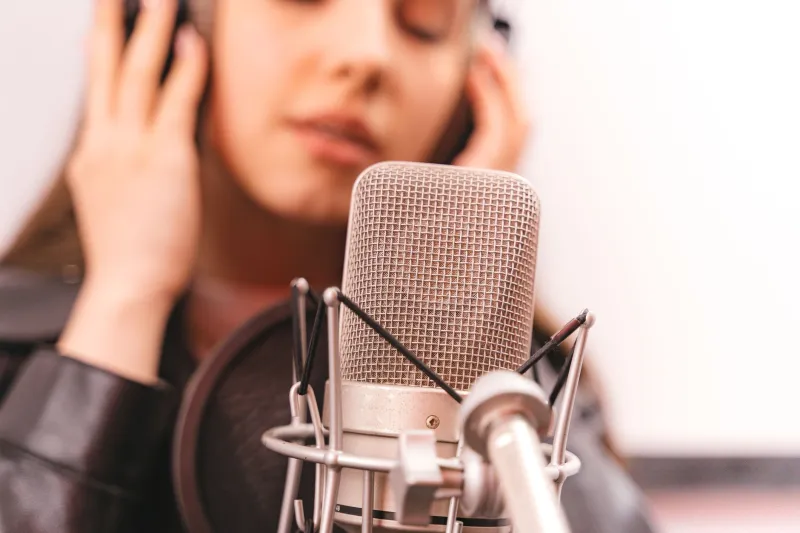
That dynamic is changing fast, and the instrument doing the disrupting is a lot simpler than a Fender or a Selmer: it's a microphone plugged into a laptop.
Across the country, jazz and blues musicians are launching their own podcast networks, sidestepping the traditional media gatekeepers and telling their stories while they still can — and while they still want to.
Why Now, and Why Podcasting
The timing isn't accidental. Streaming gutted music revenue, the pandemic shuttered venues, and the major press outlets that once covered jazz and blues with any depth have been shrinking their arts desks for years. What podcasting offered, especially after 2020, was something deceptively straightforward: direct access.
No editor deciding your story isn't commercial enough. No label publicist shaping the talking points. No interviewer who read your Wikipedia page on the drive over. Just an artist, a microphone, and an audience that actually showed up because they wanted to hear what you had to say.
For a genre built on improvisation and real-time conversation, the format fits like a well-worn glove.
Artists Who Are Making the Shift
Trombonist and composer Delfeayo Marsalis — part of New Orleans' first family of jazz — has been one of the more visible figures using audio platforms to contextualize his music within the broader cultural and political landscape. His commentary doesn't wait for a magazine to frame it. It goes out direct, in his voice, on his schedule.
Guitarist and educator Corey Harris, a musician whose work bridges Delta blues and global African music traditions, has used podcast-style conversations to document his own artistic evolution and connect the dots between American roots music and its African diaspora origins. That kind of nuanced, long-form storytelling rarely survives the editorial process at a traditional outlet. In a podcast, it thrives.
On the Chicago blues side, artists connected to the city's living South Side tradition have begun using audio platforms not just to promote records but to document the scene itself — naming venues, naming collaborators, naming the musicians who came before them. It's oral history happening in real time.
The Mentorship Dimension
One of the most underreported aspects of this podcast movement is what it's doing for younger musicians. Traditionally, mentorship in jazz and blues happened in person — in rehearsal rooms, on bandstands, in the back of a tour van. That pipeline still exists, but it's geographically limited. A kid in rural Mississippi or suburban Ohio doesn't necessarily have access to a master musician.
Podcasts are changing that equation. When a veteran artist breaks down their practice habits, explains how they approached a specific recording session, or walks through the business decisions that kept them independent, that knowledge travels. It reaches a 19-year-old in Tulsa who's never been to a New York jam session but is hungry for exactly that kind of guidance.
Several artists have structured their shows specifically around that mentorship model — less interview format, more master class. The result is something that functions almost like a public university for American music, freely available and completely unfiltered.
What Gets Preserved That Otherwise Wouldn't
Here's the archival argument, and it matters more than it might seem at first: the stories that get told in podcasts are stories that might not exist anywhere else.
Jazz and blues history has always had a documentation problem. The music itself survives on record, but the context — the why behind the notes, the relationships that shaped the recordings, the business betrayals and creative breakthroughs — often doesn't make it into the official record. Biographies get written decades later, if at all. Documentaries require funding and a filmmaker who cares.
A podcast requires neither. An artist can sit down this week and record an hour about the session that changed everything, the producer who took credit for their arrangement, or the club owner who gave them their first real break. That hour goes online. It stays online. Future researchers, fans, and musicians find it.
In that sense, what's happening right now is one of the most significant moments in American music documentation since Alan Lomax drove through the South with a recording machine. The difference is that this time, the artists are holding the machine themselves.
The Creative Freedom Question
Ask any artist who's done both a label-approved press tour and an independent podcast, and the contrast is stark. Label-backed media — even when well-intentioned — operates inside a framework. There are records to sell, brands to protect, and narratives to manage. The artist is a guest in someone else's house.
In their own podcast, they're the host. They can go long on a topic that matters to them. They can push back on myths about their genre. They can name names — the good ones and the complicated ones. They can sit with a fellow musician for two hours and let the conversation go wherever it needs to go, without a producer in their ear telling them to wrap it up.
That freedom shows up in the content. The best jazz and blues podcasts feel like the conversations that used to happen after the gig, when the club was half-empty and the serious music talk finally started. They're loose, honest, and deeply informed in a way that polished media profiles rarely are.
What This Means for American Music Culture
The broader implication here goes beyond individual artists telling better stories. It's about who controls the cultural memory of American music.
For most of the 20th century, that control lived with record labels, music journalists, and a handful of academic institutions. The artists themselves — especially Black artists who built jazz and blues from the ground up — were often the last people consulted about what their work meant or how it should be remembered.
Podcasting doesn't fix that history. But it does something important going forward: it puts the microphone where it should have been all along. In the hands of the people who actually lived the music, played the rooms, made the records, and kept the tradition breathing.
At Jaxx Liberty, we've always believed that the soul of American music lives in the unfiltered version — the after-hours conversation, the backstage story, the thing that doesn't make the press release. The podcast wave isn't just a media trend. It's jazz and blues doing what they've always done: finding a new way to speak the truth out loud.
Tune in. The artists are finally running their own show.