The Gatefold Gospel: How Liner Notes Taught America to Hear Jazz
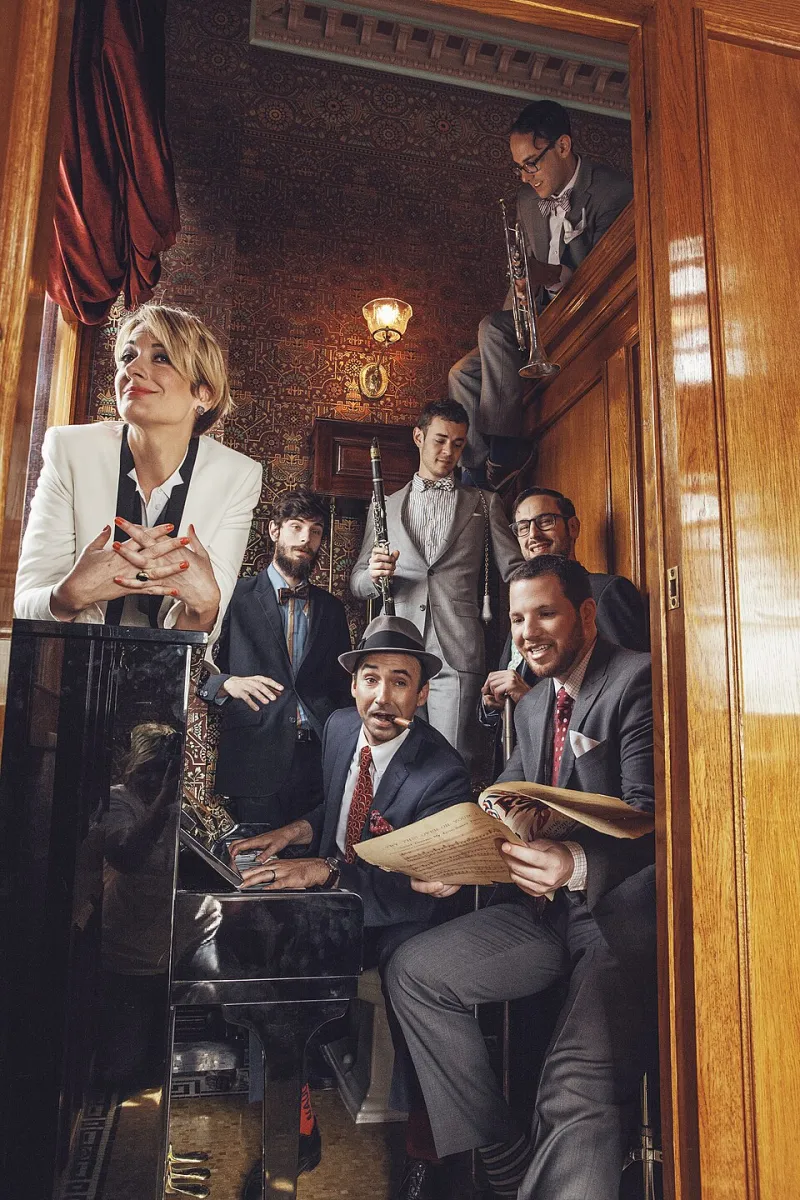
Photo: LeAnn Mueller, official photographer for The Hot Sardines, CC BY-SA 3.0, via Wikimedia Commons
You put the record on, set the needle down, and read. That was part of the ritual. The music came out of the speakers, but the story came out of the sleeve. Liner notes told you who was playing, who wrote the tune, when the session went down, and why it mattered. They told you what to listen for. They told you what to feel. Sometimes they told you what to buy next.
The best of them did something more. They turned a record into an argument about American culture. They were criticism and oral history and marketing copy all at once, folded into a rectangle of cardboard that sat in your hands while the music played.
A form that refused to stay in its lane
Liner notes grew up with the album. Early 78 rpm sets came with notes, and the long-playing record gave writers more room to stretch. By the 1950s, the gatefold sleeve had become a small stage for critics, producers, and artists themselves. Leonard Feather, Nat Hentoff, Ralph J. Gleason, Whitney Balliett, Amiri Baraka, Valerie Wilmer, Stanley Crouch, Peter Guralnick: the names changed with the era, but the job was similar. Explain the music. Place it in history. Make a case for it.
Sometimes the artist wrote the notes. Bill Evans wrote the original liner notes for Kind of Blue, and they were not just a track list with adjectives. They were a working musician's guide to modal jazz, written for a listener who might not know a Dorian mode from a doorstep. That is the gatefold at its best: an expert opening a door.
At other times the notes were closer to reportage. A writer sat with the artist, got the story of the session, and turned it into prose. The result was often the only place a musician got to explain himself at length. Before podcasts, before YouTube interviews, before the deluxe reissue with twenty minutes of alternate takes, the sleeve was the interview.
The lesson in the gatefold
Liner notes taught people how to listen. That sounds simple, but it was not. Jazz and blues could be intimidating to a newcomer. The notes gave them a way in. They pointed to the bass line, the horn arrangement, the way the drummer pushed or pulled. They translated the language without flattening the mystery.
They also shaped reputations. A thoughtful essay could make a case for an artist the critics had ignored. A lazy one could reduce a complex career to a few exotic adjectives. For Black artists, the stakes were especially high. Notes could challenge stereotypes or reinforce them. They could treat the music as art or as atmosphere. They could put a musician in history or leave him stranded in a marketing category.
That is why liner notes are worth reading as more than nostalgia. They are evidence of how American music was sold, understood, and argued over. They show what critics thought they were doing. They show what labels wanted listeners to believe. They show what artists wanted to say when nobody was asking them a question on camera.
The intimate archive
There is an intimacy to liner notes that other forms do not quite match. You read them while the music is playing. The writer is in your room, whispering in your ear. The notes can tell you that the trumpet player was hungover, that the pianist had just been fired, that the tune was cut in one take because the studio clock was running. They can preserve the small human details that official histories leave out.
That makes them an archive. Not a complete one, not a neutral one, but an archive nonetheless. They hold session dates, personnel changes, pay disputes, jokes, grudges, and the kind of backstage detail that never makes it into a textbook. They also hold the voice of the writer, which means they hold the biases of the writer too. That is part of the record.
The paragraph problem
Digital releases have not erased context, but they have compressed it. A streaming page might give you a photo, a genre tag, a release date, and a paragraph of bio. Sometimes that is enough. Often it is not. The paragraph can tell you who played bass. It cannot tell you why the session mattered. It cannot recreate the feeling of reading a gatefold while the needle drops.
That loss is not just sentimental. When context shrinks, the music can become content. The album turns into a product in a queue. The listener loses the invitation to think about where the sound came from and who made it possible. The notes were never perfect, but they were an invitation.
In 2026, the gatefold is a luxury object again. Vinyl reissues, deluxe editions, and archival labels keep the form alive. Some artists write their own notes now. Some labels hire serious writers. The best reissues treat the essay as part of the art, not as a bonus. That is the right instinct. Liner notes are not decoration. They are one of jazz and blues' most intimate archives, and they deserve to be read that way.
The next time you pull out a record, do not skip the sleeve. Read it while the music plays. You might hear something you missed.