Follow the Water: Five Regional Blues Styles and the Roads That Built Them
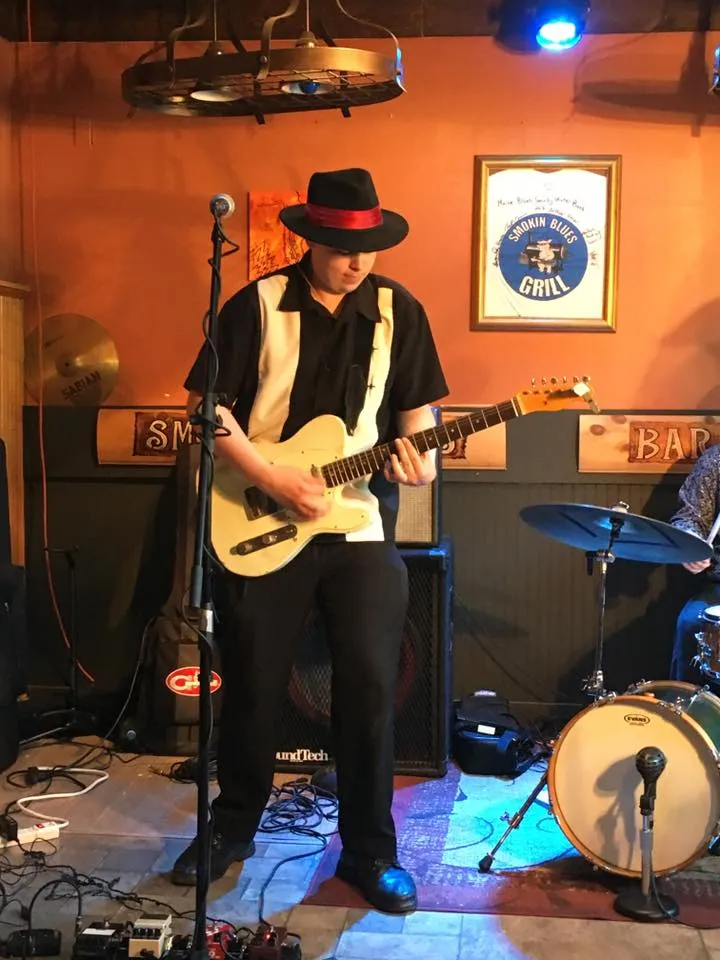
Photo: Bluesmanguitar1234, CC BY-SA 4.0, via Wikimedia Commons
Blues isn't one thing. It's a family of regional accents, each one shaped by geography, migration, and whoever happened to be playing on the corner. Map the styles out and you're basically mapping America's waterways and two-lane highways. So grab the keys. We've got five stops.
1. Memphis: The Jitney Sound
Memphis blues grew up on Beale Street, in the parks, and on the back of jugs and washboards — literally. The "jug band" tradition mixed blues with hokum and street-corner humor, and the jitney cab drivers of the 1920s gave the scene its nickname. The sound is loose, rhythmic, and built for dancing on concrete.
Keepers of the flame: The Memphis Jug Band tradition lives on through groups like the Jug Band Revival players around town, and the city's busking culture on Beale still churns out young talent every summer.
2. Chicago: Mississippi on Ten Thousand Watts
When Delta players like Muddy Waters rode the Illinois Central north, they plugged in — because you can't be heard over a crowded South Side bar with an acoustic box. Chicago blues is Delta fingerpicking amplified and weaponized: shuffling drums, harmonica screaming through a bullet mic, and guitar that cuts glass.
Keepers of the flame: Buddy Guy still plays his own club, and younger torch-carriers like Shemekia Copeland and the players circulating through Kingston Mines keep the West Side style loud and proud.
3. The Piedmont: Fingerpicking Up and Down the East Coast
Stretching from Atlanta to Washington D.C., the Piedmont style is defined by an alternating bass played with the thumb while fingers pick out the melody on top. It sounds like two guitarists at once. It's conversational, bouncy, and sneaky-hard to play well.
Keepers of the flame: Rev. John Dealey-style street players and modern fingerstylists like Jontavious Willis have made the alternating-thumb style a living art rather than a museum piece.
4. Texas: Swing-Blues with a Wink
Texas blues always had a longer stride. T-Bone Walker brought jazz chords and showmanship; Lightnin' Hopkins kept it raw and talky. The result is a style that swings, jokes, and solos like it's got all night.
Keepers of the flame: The Austin scene — from Antone's nightclub to the next generation of Lone Star slingers — keeps the swing-blues hybrid alive nightly.
5. West Coast: Jump, Baby, Jump
When Texans moved to Los Angeles during and after the war, they brought their blues and cooled it off. West Coast jump blues is urbane, horn-driven, and built for the ballroom — think Johnny Otis, Charles Brown, and smooth baritone vocals over a swinging shuffle.
Keepers of the flame: The retro-jump scene in Southern California and players like Kid Ramos keep the horns polished and the shuffle swinging.
The Point of the Trip
Regional styles blur at the edges — always have. But each one is a fingerprint of a specific place and time, and hearing the differences is hearing American history played at 78 rpm. Better yet, go hear them in person. Every one of these scenes is still booking gigs.