Digging in the Crates, Dodging the Lawyers: How Producers Are Sampling Jazz and Blues in 2024
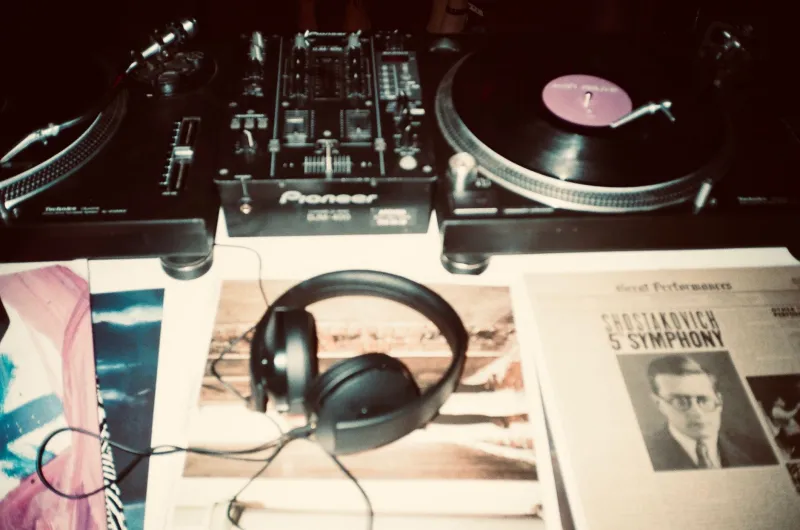
There's a moment every producer knows. You're flipping through records—maybe at a shop in Crenshaw, maybe on a hard drive full of digitized 78s—and you land on something. A piano run. A horn stab. A two-bar drum break with a swing feel that no modern drum machine can replicate. And your brain immediately starts building around it.
That moment is pure. What comes after it—the clearances, the split sheets, the cease-and-desist letters—is considerably less so.
The Sample Economy Nobody Talks About
Jazz and blues recordings have been feeding modern music production for decades, but the scale of it is still underappreciated. When you break down the sonic architecture of a lot of contemporary hip-hop, R&B, and even pop, you find the bones of mid-century American music holding everything up. A John Coltrane chord progression repurposed into a neo-soul ballad. A Muddy Waters guitar lick chopped and flipped into a trap beat. A Nina Simone vocal isolated and looped under a rap verse.
Some of those uses are cleared and credited. A lot of them aren't.
The music licensing landscape is genuinely complicated, and that complexity tends to favor people with lawyers on retainer—which is rarely the independent producer working out of a bedroom in Atlanta or Detroit. The gap between knowing you should clear a sample and actually being able to afford to do it is enormous, and it's a gap that swallows a lot of young talent whole.
Which Records Are Getting Flipped the Most
Certain recordings have become the unofficial sample libraries of modern production. Anything from Blue Note's catalog from the late 1950s through the 1960s is considered gold—Grant Green, Lee Morgan, Horace Silver. The drumming on those records, often by Art Blakey or Philly Joe Jones, has a particular weight and swing that producers have been chasing for years.
On the blues side, Chess Records' catalog is a perpetual target. Howlin' Wolf, Muddy Waters, Little Walter—the grooves on those recordings carry a rawness that's genuinely hard to manufacture synthetically. And because some of those masters have changed hands multiple times through corporate acquisitions, figuring out who actually owns the rights to a 1954 Chess single can feel like a legal archaeology project.
Ninja Tune, Concord Music Group, and Universal all hold significant portions of the jazz and blues catalog universe, and they approach licensing with varying degrees of accessibility. Some actively court sample-based producers. Others send notices first and ask questions never.
The Legal Maze
Here's where it gets genuinely thorny. Sampling a recording requires clearing two separate rights: the master recording (owned by whoever controls the original tape) and the underlying composition (owned by whoever controls the publishing). For a jazz standard recorded in 1957, the composition might be in the public domain, but the specific recording almost certainly isn't—US copyright law extended protections on pre-1972 recordings through the Music Modernization Act of 2018, meaning masters from the golden era of jazz and blues are protected until 2067 at the earliest.
That's a long time for a two-bar loop to stay locked up.
The financial stakes have gotten steeper too. The 2015 Blurred Lines verdict—even though it involved a different genre—sent shockwaves through the production community and made rights holders more aggressive about pursuing claims. A producer who drops a jazz sample on a mixtape that goes viral can suddenly find themselves facing demands for retroactive licensing fees that dwarf whatever they made off the project.
The Producers Who Are Doing It Right
Not everyone is dodging the paperwork. There's a growing cohort of producers who treat proper clearance as both a legal necessity and an ethical responsibility—a way of honoring the ancestors whose work they're building on.
Producers in the J Dilla tradition have long understood that sampling isn't just technique, it's tribute. The best sample-based music treats its source material with a kind of reverence, transforming it without erasing it. When you can still hear the original under the new arrangement—when the jazz phrasing breathes through the hip-hop drums—that's a conversation across time. That's worth protecting.
Some producers are also getting creative about their sourcing. Rather than sampling original recordings, they'll hire session musicians to replay the interpolated melody, which sidesteps the master rights issue while still requiring clearance on the composition. Others are digging into recordings that are genuinely in the public domain—pre-1928 material—and building from there.
What Artists and Estates Are Owed
The ethical dimension here is harder to quantify than the legal one. Many of the artists whose recordings are being sampled never received fair compensation in the first place. Chess Records, Stax, and dozens of smaller labels had a long history of exploiting Black artists through predatory contracts that stripped them of publishing rights and paid minimal royalties. When those recordings get sampled now, the financial benefits often flow to corporate rights holders rather than to the artists' families or communities.
There's a real argument that the sampling economy has in some ways repeated the original sin—taking Black musical creativity and routing the profits elsewhere. That's not an argument against sampling. It's an argument for being deliberate about who you're paying and making sure the money flows in the right direction when it can.
The Discovery Effect
Here's the thing nobody talks about enough: sampling drives discovery. When a 19-year-old producer in Houston flips a Grant Green record and that beat ends up on a mixtape with a million streams, some percentage of those listeners go looking for the source. They find the original. They start buying records. They develop a relationship with music they never would have found otherwise.
That's not nothing. That might actually be jazz and blues finding new audiences in the only way that works in 2024—through the back door of a sample, landing in someone's ears while they're just trying to nod their head.
The crates are still full. The lawyers are still circling. And somewhere between those two facts, American music keeps moving forward.