Five Heirloom Instruments Still Making Noise — and the Families Keeping Them Alive
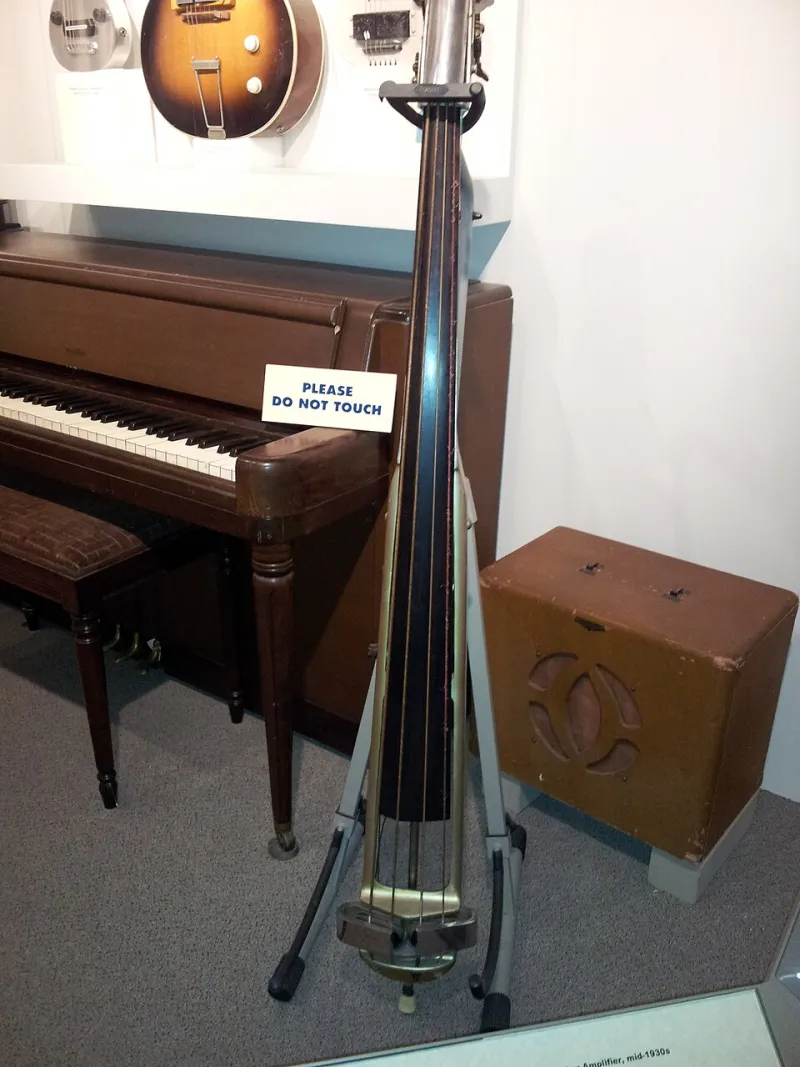
Photo: doryfour, CC BY-SA 2.0, via Wikimedia Commons
Preservation usually means glass. Climate control. A little card that says please do not touch. But for some families, preservation means tuning, repairing, and playing the thing until it still sounds like itself.
These five instruments are not famous enough for a wing at the Smithsonian. They are working heirlooms. And the people who keep them playable are making a choice that museums rarely make: use it or lose it.
The Piano That Paid the Mortgage (Chicago)
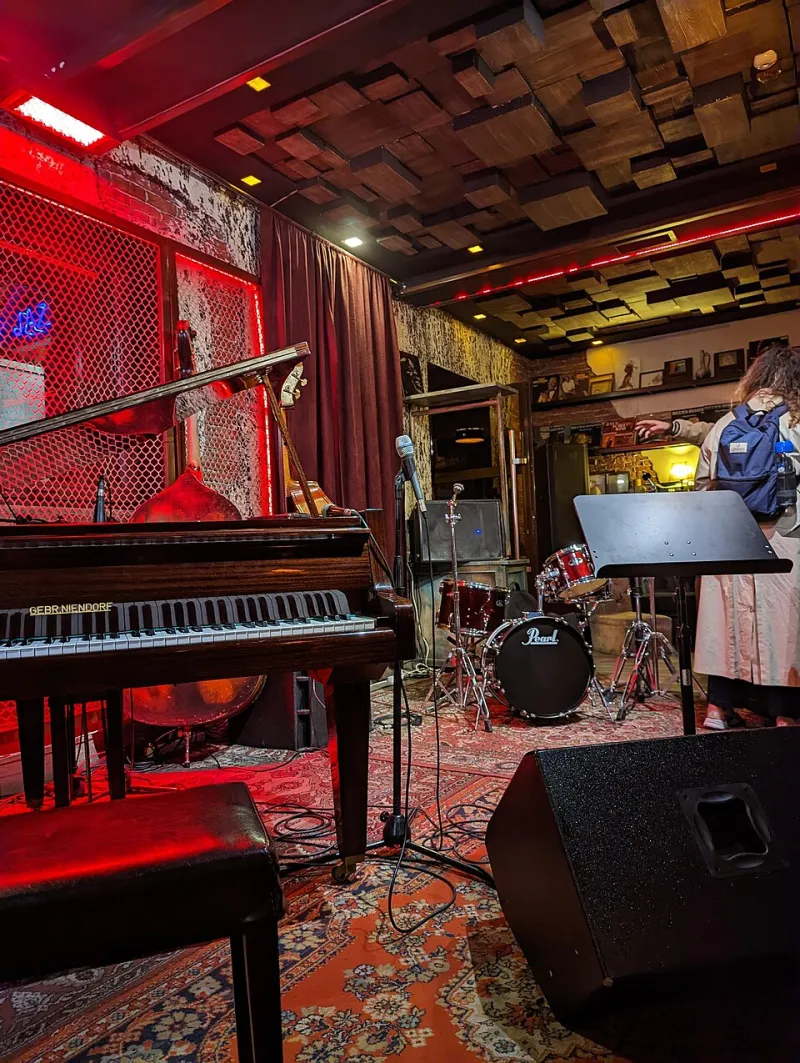
The Whitfield family's 1917 upright piano has cigarette burns on the music shelf and a bass string that has been replaced twice. It lived in a two-flat on the South Side where the family hosted rent parties in the 1940s and 1950s. The piano paid the mortgage more than once.
Today it is in a living room in Bronzeville. The action was rebuilt in 2023 at a cost of nearly four thousand dollars. The family considered donating it. Instead, they tuned it and started hosting monthly jam sessions. The piano is not a relic. It is a rhythm section.
The Guitar With the Delta in Its Neck (Clarksdale)
The Beaulieu family's 1934 Gibson L-00 has a repaired headstock crack and a neck that has been reset. The guitar belonged to a bluesman who played juke joints across the Delta and never made a record. His granddaughter keeps it in a case under the bed and brings it out for family gatherings.
A collector offered her a price that would have paid off her car. She said no. The guitar smells like cedar and old smoke. When she plays it, she says she can hear her grandfather's hand in the neck. That is not a museum value. It is a family value.
The Sax That Still Smells Like the Club (Kansas City)
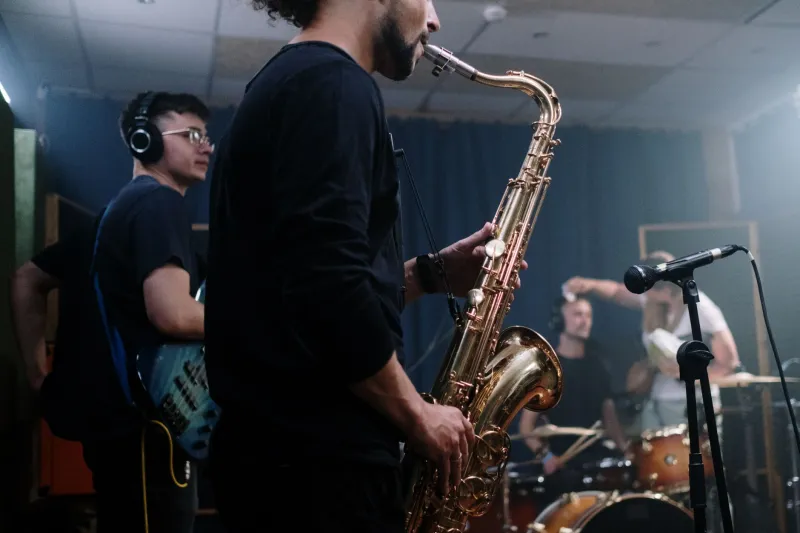
The Ortiz family's 1954 Selmer tenor sax has lacquer worn down to the brass on the left-hand side. It belonged to a jazz saxophonist who played Kansas City clubs for four decades. His son, a dentist, had it overhauled last year. The repair cost more than the horn is worth on the open market.
He does not care. He plays it in a community big band. The sax still has a dark, breathy tone that new horns do not have. The pads hold the smell of old clubs. He calls that the history.
The Snare That Carries the Second Line (New Orleans)
The Broussard family's 1960s Ludwig snare drum has a dent in the shell and a replacement strainer. It was played in second-line parades for decades. The family still uses it every Mardi Gras.
A local music historian asked if they would lend it to an exhibit. They said yes, for one month, as long as it could be played at the opening. The museum agreed. The drum came back with a new set of heads and a story. That is the deal: display it, but do not silence it.
The Organ That Hums Like a Congregation (Philadelphia)
The Hayes family's 1962 Hammond B-3 organ takes up half a room in a rowhouse. It belonged to a jazz organist who played church services and club dates. The family had the tonewheel generator serviced and the Leslie speaker rebuilt. The bill was steep.
Now the organ is used for a monthly jazz vespers service. The hum is still there. The family says the hum is the point. It sounds like a congregation breathing.
Play It or Seal It?
Every family in this list has faced the same question: is it better to preserve the instrument in a case or keep it in circulation? There is no universal answer. Museums protect objects. Families protect memory. Sometimes the two goals overlap. Sometimes they do not.
What these five stories show is that preservation is not a single act. It is a budget, a schedule, and a willingness to let the instrument get worn. In 2026, as more heirlooms come up for sale and more collectors chase provenance, the families who keep them playable are making a quiet argument: an instrument with music left in it is not done yet.