Tribute Records Pay the Rent. They're Also Mortgaging Jazz's Future.
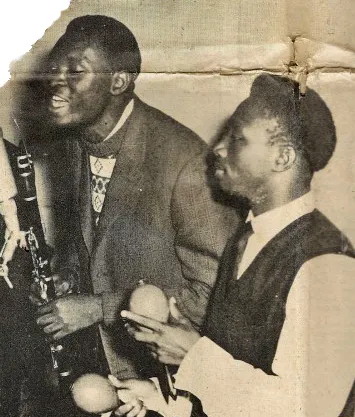
Photo: unknown, Actualités Africaines, Public domain, via Wikimedia Commons
Walk into any jazz section in America this year and count the albums that are explicitly about another album. A reimagining of a 1960s classic. A Songbook record with a string quartet and one tasteful original buried at track nine. A centennial salute to a saxophonist who'd have been 99, or 101, or whatever number the marketing department landed on.
Tributes aren't the problem. Tributes as the default setting are.
The Comfort of a Familiar Melody
Let's be fair to the genre: jazz has always been a covers music. The Great American Songbook was the repertoire, and improvising over known chord changes was the job. As we've noted before, a lot of those standards were pop hits first — the canon got frozen later, by people with good intentions and reissue budgets.
So the question isn't 'why do jazz musicians play old songs.' It's 'why does the industry make it so much easier to record them than to write new ones.'
What the Covers Economy Rewards
Follow the incentives and the shape of the release calendar starts to make sense.
A tribute album has a built-in playlist home. Streaming editors know exactly where to slot it, and so do the retail buyers and the public radio programmers. It has a story — 'young artist reimagines the master' — that writes its own press release. It has a lower promotion cost, because the audience already knows the melodies. It has a lower legal risk, because the composition is a known quantity.
An album of originals has none of that. It has to be explained. It has to be heard twice before it makes sense. The playlist pitch is a shrug.
We've built a system where the safest way to get a debut record funded is to make it about someone else. That's not a knock on the artists. It's a description of the door they're being handed.
The Honest Case for Tributes
None of this is an argument for burning the Songbook. Tributes do real work. They introduce the repertoire to people who'd otherwise never encounter it. They give young players a discipline — you learn to play by playing someone else's tune, and you learn what you don't know. Plenty of musicians have used a tribute record as a calling card that bought them the freedom to make three original records afterward.
And heritage deserves stewardship. A culture that lets its catalog go dark isn't protecting anything; it's just forgetting with better production values.
The trouble starts when the tribute stops being a doorway and becomes a residence.
What a Healthier New-Repertoire Culture Looks Like
This part is boring, and it's the part that matters. Nobody is going to fix this with an essay. But the fixable pieces are pretty concrete.
Pay for composition, not just performance. Commissioning money exists — arts organizations hand out project grants every year — but it's usually small, one-time, and tied to a specific premiere. Extend that to recording costs, and make the money follow the new work all the way into the studio.
Pair the tribute with an original. If a label wants the marketing benefit of a salute record, put two new pieces on it. Make the unfamiliar track a requirement rather than a bonus. Fans will skip it the first time and come back to it the fourth, and that's how it's always worked.
Let festivals commission. A main-stage slot at a jazz festival is one of the most valuable things an artist can get. Attach a condition: bring something nobody's heard. Nobody complains when the orchestra does this.
Fix the advance math. If a record of standards and a record of originals earn the same advance, the artist will make the standards record, and we'll all pretend it was an artistic choice.
And build a pathway for new standards. 'Standard' isn't a birthright. It's what happens when a tune gets played enough times that other people start calling it. That requires repetition — house bands playing new material, jam sessions running originals, DJs and playlisters treating a 2026 composition like it might deserve a second listen.
The Ask
There's an old line about the tradition being a conversation, not a museum. Conversations go two ways. For the last twenty years or so, jazz has been doing a lot of listening and not much answering.
So here's the small version of the ask. Next time you're in a record store, or staring at a screen full of album art, pick the one whose titles you don't recognize. Pick the record you can't hum yet. Buy that one.
The tribute records will be fine. They always are. It's the new stuff that needs the audience.