Pass the Hat, Pay the Landlord: How Rent Parties Funded the Sound of Harlem

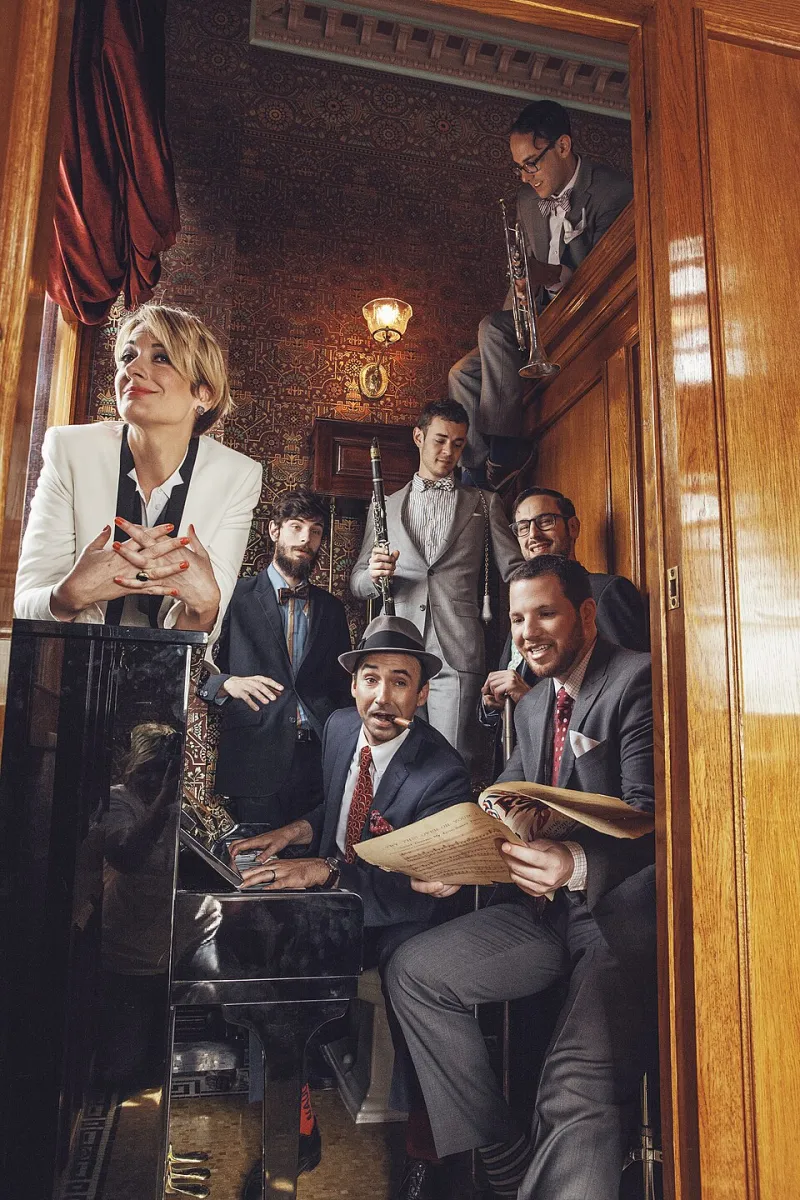
Photo: vintage Harlem rent party piano 1920s jazz musicians, via www.babeyond.com
On a Saturday night in 1920s Harlem, the rent was due Monday and the piano was already pushed against the wall. Neighbors paid a nickel or a dime at the door. The host passed a hat. The pianist played until the hat came back heavy enough to cover the month. That was a rent party — a phrase that sounds quaint now, but it was one of the most practical engines early jazz and blues ever had.
A Deadline, a Piano, and a Hat
Rent parties were not invented by musicians. They were invented by tenants. In Harlem, Chicago's South Side, and other Black neighborhoods where landlords charged high rents and wages were unstable, throwing a party was a way to bridge a gap. The music was the draw. The cause was the rent.
The format was simple. Someone with a parlor, a piano, and a little nerve announced a party. Admission was cheap. Food and liquor might be sold. A pianist or a small combo played. Sometimes there was a cutting contest — two players trading choruses while the crowd decided. The hat went around more than once.
For a young pianist, that was a gig. For a blues singer, it was a room full of people who had paid to listen. For the host, it was a way to keep the lights on.
The Business of a Good Time
The economics were informal but not random. The pianist got paid. The host covered the rent. Neighbors got a night out for less than a club cover. And the party created a kind of reputation economy: if your house had good music, people came back.
That reputation mattered. Rent parties became a place where musicians met each other, tested material, and built audiences. They were not Carnegie Hall. They were better for a certain kind of development: low stakes, high feedback, immediate.
The Women Who Ran the Door
Many rent parties were organized by women, often widows or wives who needed to make up a shortfall. They ran the door, set the prices, kept the peace, and decided when the hat would circulate. That labor is usually left out of the jazz history books, but it was the administrative spine of the whole thing.
The parties also created a space where women could work as musicians, hosts, and entrepreneurs in a music industry that rarely handed them control.
Chicago, Detroit, and the Spread
The model traveled with the Great Migration. In Chicago, rent parties mixed blues, boogie-woogie, and jazz. In Detroit, workers from the auto plants brought their own tastes. The parties were not identical, but the logic was: community pays for community.
They also had a social function beyond rent. They were safe spaces, news exchanges, and matchmaking grounds. The music was the excuse and the glue.
What the Model Got Right
The rent party did three things that today's music economy still struggles with. It paid artists directly. It built audience relationships face to face. And it kept money in the neighborhood.
There was no algorithm deciding who was worth hearing. There was a room, a piano, and a crowd. If the music moved people, the hat came back. If it did not, the pianist learned something.
The Limits
None of this was romantic for everyone. Police raids were a constant threat. Some hosts took advantage of young musicians. Some parties turned exploitative. The rent party was a survival tool, not a utopia. But it worked often enough to become a tradition.
The 2026 Living Room
You can see the DNA in today's house-show networks, in backyard concerts, in the small donors who fund a record through a direct-to-fan platform. The technology is different. The principle is the same: skip the gatekeeper, pass the hat, keep the lights on.
Modern musicians can learn from the rent party's discipline. It was not just a party. It was a micro-business with a clear purpose. The audience knew why they were there. The artist knew what the money was for.
The Part Algorithms Cannot Do
Streaming rewards repetition. Rent parties rewarded presence. You had to be in the room. You had to read the crowd. You had to earn the next dime.
That is not nostalgia. It is a model. In 2026, as touring costs rise and platforms take their cut, the rent-party logic is worth revisiting: small rooms, direct pay, community cause. The hat is still a good idea. You just have to know what you are passing it for.