No Label, No Problem: How Jazz and Blues Artists Are Owning Their Hustle
There's a line that runs straight from a Harlem rent party in 1931 to a musician refreshing their Bandcamp dashboard at 2 a.m. in 2024. The details look different — one smells like cigarette smoke and collard greens, the other glows blue in a studio apartment — but the instinct is exactly the same: I'm keeping what I earned.
Jazz and blues have always been music made by people who couldn't afford to give their work away. And for most of the industry's history, that's exactly what the major labels asked them to do. So musicians found other roads. They built them themselves, brick by brick, gig by gig. And those roads are still being paved today.
The Original Hustlers
Before Spotify algorithms and streaming royalties, Black musicians in America were navigating a music industry that was openly hostile to their ownership. Publishing rights, master recordings, even songwriting credits — all of it had a way of ending up in someone else's hands.
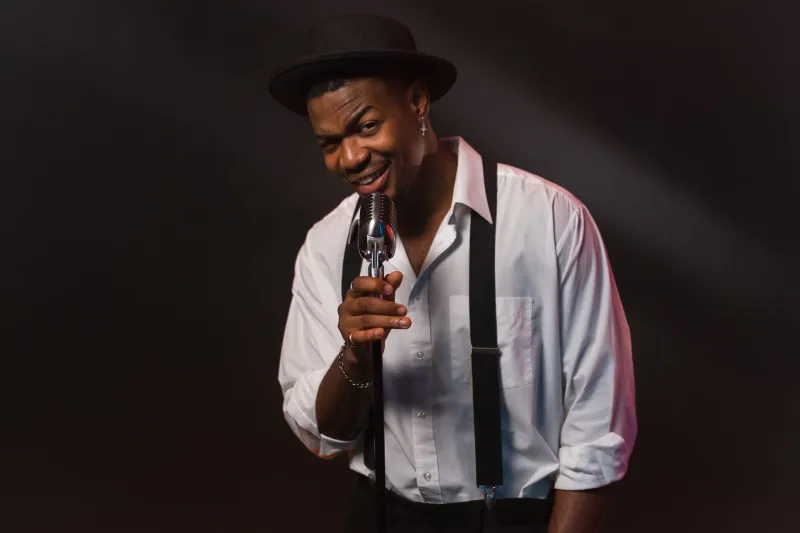
But the community pushed back in ways that don't always make the history books. Rent parties — ticketed gatherings in private apartments where a pianist like Fats Waller or James P. Johnson might play all night — weren't just social events. They were direct-to-audience revenue. No venue cut. No label overhead. Just a hat passed around and music that paid the rent.
Blues artists working the Chitlin' Circuit had their own version of this math. By booking through Black-owned venues across the South and Midwest, artists like Muddy Waters and Howlin' Wolf built audiences who were loyal specifically to them, not to a label's marketing machine. The circuit wasn't perfect, but it was theirs.
Duke Ellington took it further. He co-founded his own publishing company, Tempo Music, in 1943 — a move that let him retain control over compositions at a time when that kind of ownership was practically unheard of for a Black artist. He understood early that the real money wasn't in performing the song. It was in owning it.
What Changed — and What Didn't
The digital age promised to democratize everything. And in some ways, it delivered. But the early 2000s streaming boom also introduced a new kind of gatekeeping: playlist placement, algorithmic favoritism, and royalty rates that pay fractions of a cent per stream. For jazz and blues artists — genres that were never going to out-stream pop — the math got brutal fast.
So the musicians who are thriving right now are the ones who looked at that math and said, no thanks.
Take Chicago-based bassist and composer Junius Paul. He's been deliberate about building his audience through direct channels — live performances, social media that actually shows his personality, and releasing music on platforms where he controls pricing and keeps the majority of revenue. "The label model was built for a different era," he's said in interviews. "I'd rather have a thousand people who really know my work than a million passive streams."
That philosophy echoes across a growing segment of the jazz and blues world.
Bandcamp, Subscriptions, and the New Rent Party
Bandcamp has become something close to sacred ground for independent jazz and blues musicians. The platform's structure — where artists keep roughly 80-85% of revenue — flips the traditional label dynamic almost entirely. On Bandcamp Fridays, when the platform waives its cut entirely, some artists report earning more in a single day than they would from months of streaming.
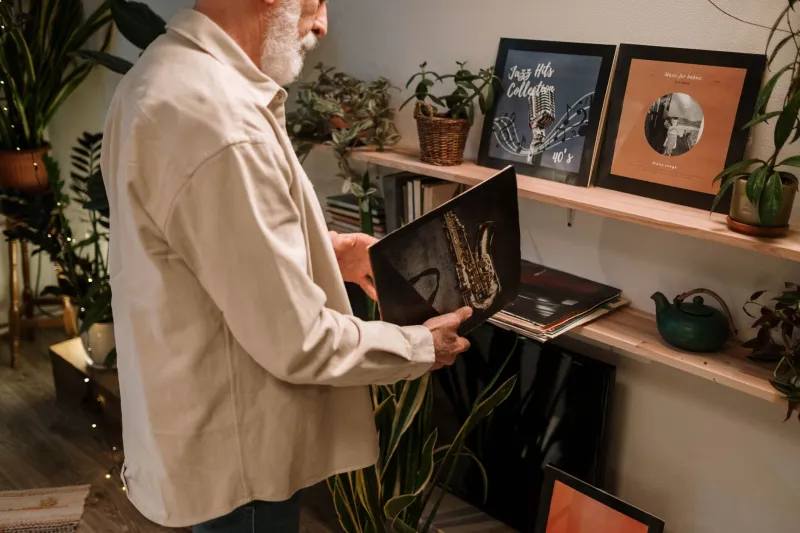
New Orleans guitarist and vocalist Dorthia Cottrell has spoken openly about using Bandcamp not just as a storefront but as a community hub. Her listeners aren't passive consumers — they're buying limited vinyl runs, downloading liner notes, leaving messages. It's a digital version of the record shop relationship, and it pays.
Subscription platforms like Patreon have added another layer. Musicians offer tiered access — early releases, live session recordings, behind-the-scenes content, even virtual lessons — in exchange for monthly support. For artists whose work doesn't fit neatly into commercial radio formats (which describes most serious jazz and blues musicians), this model creates predictable income that doesn't depend on a hit.
And then there are NFTs — a more polarizing tool, but one that some jazz artists have used thoughtfully. When done right, limited digital releases tied to ownership tokens can create genuine collector communities, similar to the way rare vinyl builds loyalty among record enthusiasts. The technology isn't the point. The ownership model is.
Cooperative Power
Some artists are going further, reviving an older idea: collective ownership.
The Association for the Advancement of Creative Musicians, founded in Chicago in 1965, was arguably the blueprint. The AACM gave artists like Muhal Richard Abrams and the members of the Art Ensemble of Chicago a structure to produce concerts, release recordings, and support each other financially without bowing to label demands. It was, at its core, a music cooperative — and it worked.
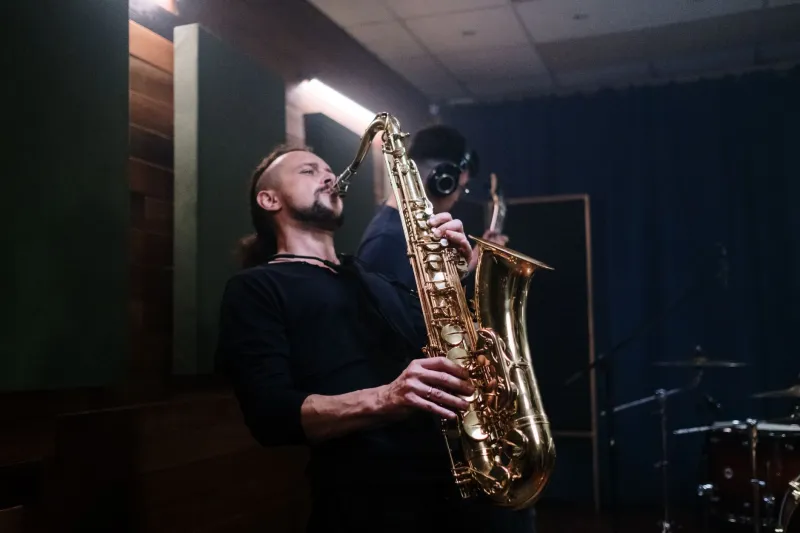
Today, smaller versions of that model are popping up in cities across the country. Musician collectives in Detroit, New Orleans, and Brooklyn are pooling resources to rent rehearsal space, fund recording sessions, and negotiate group deals with venues. When you split the overhead five ways and keep the revenue in-house, the economics of independent music start to make a lot more sense.
The Practical Playbook
For emerging artists in the jazz and blues world, the lessons from both history and the current landscape point toward a few consistent principles.
Own your masters. This sounds obvious in 2024, but it still requires discipline. Resist deals that ask for full ownership in exchange for upfront cash. The song outlives the advance.
Build your list. Email subscribers are worth more than social media followers. Algorithms change. An email list is yours.
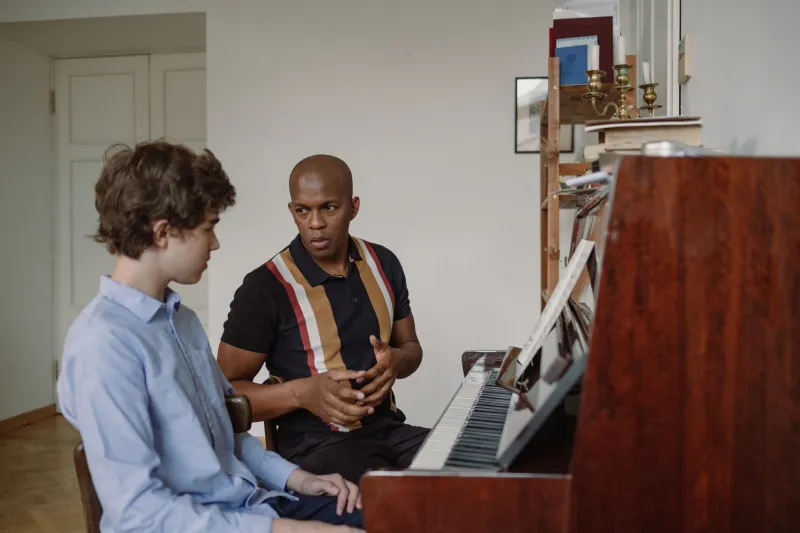
Think local first. A dedicated regional audience — people who show up to your gigs, buy your records at the merch table, tell their friends — is more valuable than diffuse national attention. The Chitlin' Circuit understood this. So did the rent party.
Diversify your revenue. Gigs, recordings, teaching, sync licensing, merchandise, subscriptions — no single stream is stable enough on its own. The artists who last are the ones who treat their music like a small business, because that's exactly what it is.
The Long Game
What strikes you, looking at all of this across a century of American music, is how consistent the underlying strategy has been. The tools change. The hustle doesn't.
Jazz and blues musicians have always operated in a world that undervalued their work and overestimated their naivety. The response, generation after generation, has been to build around the gatekeepers — to find the audience directly, to own what can be owned, and to keep playing.
The major labels aren't going anywhere. But neither are the artists who figured out they didn't need them.