Kitchen Table Jazz: The Master-Apprentice Tradition Keeping Improvisation Alive
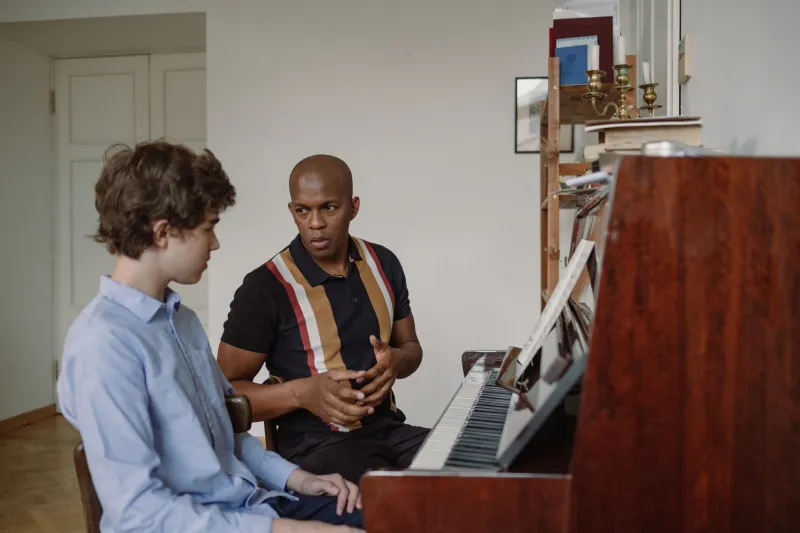
There's no syllabus. No tuition bill. No letter grade waiting at the end of the semester. Just a couple of chairs, maybe a worn-out amp humming in the corner, and a conversation that started sometime around noon and somehow stretched into midnight. This is where a lot of the real jazz education in America is happening right now — and most people have no idea.
Across the country, veteran jazz and blues musicians are quietly taking younger players under their wing in spaces that look nothing like classrooms. We're talking living rooms in New Orleans, converted garages in Chicago's South Side, cluttered home studios in Kansas City and Detroit. The settings are humble. The knowledge being passed around is anything but.
What the Institutions Can't Teach
College music programs have their place, and nobody's knocking a solid music education. But ask any working jazz musician what they really learned — the stuff that actually made them who they are — and most will point to a mentor, not a textbook.
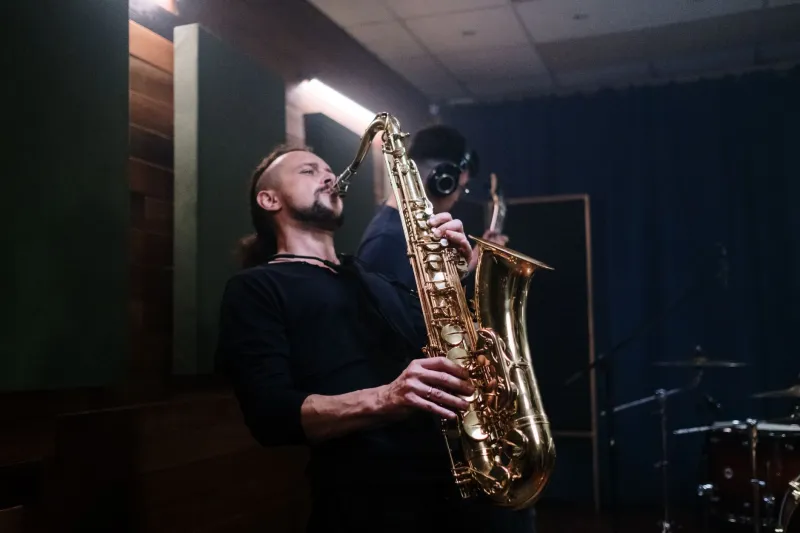
"There's a feeling you chase when you're improvising," says Marcus Delray, a New Orleans-based tenor saxophonist who's been playing professionally for over four decades. "You can notate it, you can analyze it, but you can't really teach it in a lecture hall. You have to sit across from someone who's already been there and just... absorb."
Delray has been working informally with three younger players over the past two years, none of them his official students in any academic sense. They come over on Tuesday afternoons, they play, they stop, they talk. Sometimes they don't even play — they just listen to records together. Delray pulls out old Blue Note pressings and Prestige sides and makes the younger musicians listen before they ever pick up their horns.
"I'm not teaching theory," he says. "I'm teaching listening. That's the whole game."
The Living Room as Laboratory
What makes these informal sessions work is precisely their lack of structure. There's no pressure to perform, no grade on the line, no audience to impress. That freedom creates the kind of environment where real creative risk-taking can happen.
Chicago guitarist Renée Okafor, 28, has been learning from blues veteran Cal Hutchins for going on three years. She describes their sessions as "part lesson, part therapy, part history class."
"Cal will stop mid-song and say something like, 'You hear what you just did there? That's exactly what Freddie King would've done, and here's why it works,'" Okafor says. "Then we'll spend an hour just on that one moment. You can't get that in a classroom. There's no time for it."
Hutchins, for his part, doesn't see himself as a teacher in any formal sense. He's just doing what was done for him — passing along what he picked up from older players who took him seriously when he was young and hungry.
"Someone sat with me once and showed me something I never would've found on my own," Hutchins says. "You do that for someone else. That's how this music survives."
Improvisation Is a Conversation, Not a Solo
One of the core things these mentorships are preserving is a philosophy of improvisation that goes deeper than technique. It's not just about knowing your scales or being able to navigate chord changes — it's about understanding that jazz and blues are fundamentally conversational forms.
Detroit pianist Jerome Whitfield, 62, has been mentoring a rotating cast of younger musicians for years. He talks a lot about what he calls "responsive playing" — the idea that you're not just expressing yourself when you improvise, you're listening and responding in real time.
"Young players come in and they want to show you everything they know," Whitfield says. "And I get it — I was the same way. But jazz is about listening as much as playing. You learn to leave space. You learn to serve the song. That's a maturity thing, and it takes time and someone to model it for you."
The musicians in these informal circles often describe their mentors as living libraries — repositories of musical vocabulary, historical context, and hard-won intuition that simply doesn't exist in written form anywhere.
Why This Matters More Than Ever
With jazz club culture under pressure and formal music programs cutting jazz curricula, these grassroots mentorships have taken on added urgency. The informal network of master-apprentice relationships isn't a backup plan — for a lot of young musicians, it's the primary pipeline.
Okafor puts it plainly: "If I hadn't found Cal, I don't know where I'd be. Probably playing covers somewhere and wondering why it felt hollow."
There's also something worth noting about what gets preserved in these settings that a recording never could. The stories, the context, the why behind the notes — these things live in the memories and hands of veteran players, and they only transfer through direct human contact.
"I can tell you about a session I played in 1987 that changed the way I heard music forever," Delray says. "That story means something to a young player. It gives the music a lineage. And lineage matters in jazz and blues — it's everything, really."
Passing the Torch, No Stage Required
None of this is glamorous. There are no cameras rolling, no festival announcements, no social media moments worth posting. It's just people sitting in rooms together, making music and talking about music and taking the long view on what it means to keep something alive.
But walk into one of these sessions — really walk in and sit down and listen — and you'll feel something that's hard to name but impossible to miss. It's the sound of a tradition breathing, the feeling of something real being transmitted from one set of hands to another.
American music has always survived this way. Not through institutions alone, but through this exact kind of stubborn, personal, kitchen-table devotion. The names change. The rooms change. The music keeps moving.
And somewhere right now, in a living room you've never heard of, a veteran is playing something for a younger musician who's leaning forward in their chair, trying to catch every note.