Mud, Memory, and the Mississippi: How the Delta Blues Found Its Way to Your Town
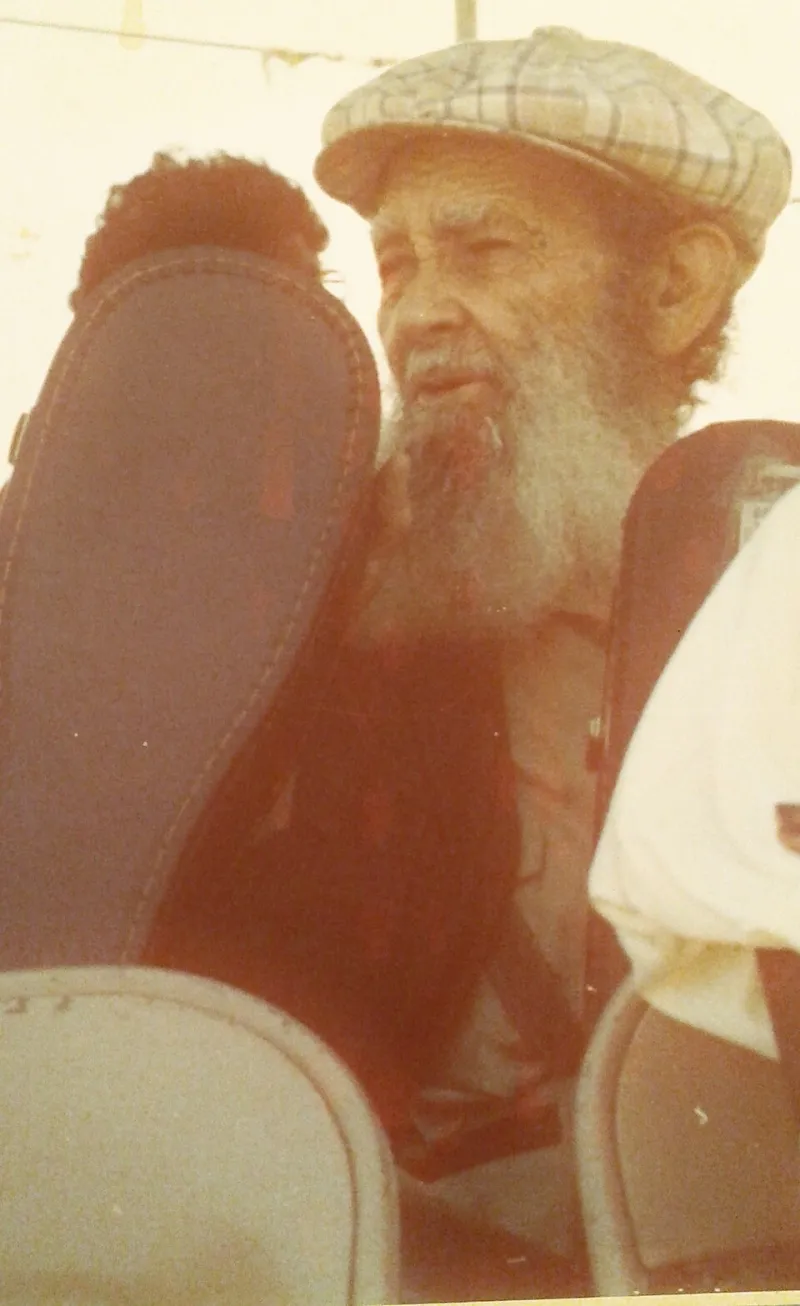
Photo: Saintcroix1, CC BY-SA 4.0, via Wikimedia Commons
There's a particular kind of humidity that hangs over the Mississippi Delta in August. It wraps around you like a wet wool blanket, and somehow, it makes the music feel heavier — more necessary. If you've ever stood in a Clarksdale juke joint at midnight while a slide guitar moaned over a single bare bulb, you already know what we're talking about. If you haven't, well, that's exactly what this piece is for.
The blues highway is real. It's not just a metaphor stitched onto a tourist brochure. It's a living, breathing network of roads, rooms, studios, and stages that stretches from the cotton fields of Coahoma County all the way to late-night sets in Chicago's South Side, Austin's East Sixth Street, and even Brooklyn lofts where twenty-somethings are learning open G tuning from YouTube videos and Delta recordings made before their grandparents were born.
The Road Still Runs Through Clarksdale
If you haven't made the pilgrimage to Clarksdale, Mississippi, put it on the list. The town sits at the crossroads of Highways 61 and 49 — yes, that crossroads, the one Robert Johnson allegedly sold his soul at — and it remains ground zero for anyone serious about understanding where American music came from.
Ground Zero Blues Club on Delta Avenue is still pulling in players who treat the stage like sacred ground. On any given weekend you might catch someone like Christone "Kingfish" Ingram, the Clarksdale-born guitarist who's been turning heads since his teens and now regularly packs venues that would've seemed unimaginable for a blues act a decade ago. Kingfish didn't just grow up near the Delta tradition — he grew up inside it, absorbing influences from B.B. King to Buddy Guy while still figuring out algebra homework.
"You can feel the history in the air down here," Kingfish has said in interviews. "It's not something you study. It gets into you."
That's not marketing speak. That's geography as musical education.
Sun Studio and the Rooms Where It Happened
About three hours north on 61, Memphis offers its own chapter of the story. Sun Studio on Union Avenue is basically a shrine at this point, and rightly so. The room where Howlin' Wolf and Ike Turner cut tracks in the early fifties still operates as a working studio, and the tours they run are genuinely moving — not in a kitschy, tourist-trap way, but in the way that standing in a room where something important happened always is.
What Sun Studio understood, and what its founder Sam Phillips understood viscerally, was that the blues wasn't a genre to be polished. It was something raw that needed capturing, not cleaning up. That philosophy echoes in how modern artists approach their own recordings. Producers like Matt Patton of the Drive-By Truckers, who's worked out of Dial Back Sound in Water Valley, Mississippi, talk openly about chasing that same unvarnished quality — the kind of sound where you can almost hear the room breathe.
Carrying the Name Forward Without Carrying It Like a Burden
Here's where it gets interesting, and maybe a little complicated. The question of authenticity in blues has always been thorny. Who gets to play it? Who's doing it "right"? These debates have been going on since white rock musicians started borrowing Delta riffs in the sixties, and they haven't exactly quieted down since.
But spend time with working blues artists today and you'll notice most of them have made peace with the tension. Selwyn Birchwood, the Tampa-based guitarist and singer who plays electric funk-inflected blues, has talked about how he sees the tradition not as a rulebook but as a conversation. You add your voice to it. You respond to what came before. You don't photocopy it.
That approach is showing up in venues from the Bradfordville Blues Club outside Tallahassee — a genuine, ramshackle roadhouse that feels like it materialized from another era — to Buddy Guy's Legends in Chicago, where the lineage is practically written on the walls. These rooms aren't museums. They're places where the music is still being worked out in real time.
The Festival Circuit as Living Archive
The Juke Joint Festival in Clarksdale every April has become one of the best arguments for why the blues isn't going anywhere. For a weekend, the whole town turns into a sprawling outdoor venue, with sets spilling out of storefronts, parking lots, and actual juke joints that have been operating for decades. You'll see teenagers discovering Son House for the first time standing next to seventy-year-olds who saw Muddy Waters play.
The King Biscuit Blues Festival in Helena, Arkansas — one of the oldest in the country — tells a similar story. It draws a crowd that looks like America actually looks: mixed, multigenerational, and genuinely passionate about music that doesn't always get its due on mainstream platforms.
What the Highway Teaches
Maybe the most important thing about the blues highway isn't any single stop on it. It's the act of traveling it — of understanding that this music has always been in motion. It moved up from the Delta during the Great Migration. It crossed the Atlantic and came back transformed by British rock. It absorbed funk and soul and R&B and kept going.
The artists keeping it alive today aren't doing preservation work. They're doing something harder and more interesting: they're making the tradition mean something new without letting it lose what it was. That's not nostalgia. That's culture doing what culture does.
So whether you're catching a late set at a roadhouse you almost drove past, or streaming a Kingfish album on your commute, or finally booking that trip to Clarksdale you've been putting off — you're part of the highway too. The blues has always needed listeners as much as it's needed players.
The road's still open. Might as well drive it.


